
Why Animal Products Harm – Dairy
Cow’s milk and dairy products are not natural foods for us – we are best suited to drinking breastmilk as babies only. Consuming dairy products made from the milk of a different species is not just unnatural, it’s also unnecessary and may harm your heath.
Summary:
- It’s not natural for humans to drink milk after weaning – and certainly not the milk of a different species.
- While human breastmilk is the perfect food for babies, cow’s (or any other animal’s) milk is not.
- Around 70 per cent of the world population are lactose intolerant in adulthood – they cannot digest the milk sugar lactose.
- Cow’s milk naturally contains 35 hormones, including sex and growth hormones that have been linked to cancer.
- A tablespoon of milk can contain millions of pus cells.
- Milk drinking and the use of whey protein powders may lead to acne, especially in teenagers and young adults.
- Children who have cow’s milk allergy are more likely to suffer from asthma than others. Even if they ‘grow out’ of cow’s milk allergy, they may continue to suffer from asthma – avoiding milk can help improve their health.
- Milk is absolutely not necessary for healthy bones. Plant foods rich in calcium, vitamin D, a varied plant-based diet low in sugar and alcohol, and regular physical activity is what our bones need to be healthy.
- Milk and dairy products may increase your risk of cancer, in particular prostate, ovarian and breast cancer.
- Milk can contain bacteria that may cause Crohn’s disease in people with a certain genetic makeup.
- Milk can play a role in type 1 diabetes development, while fatty dairy products can contribute to type 2 diabetes.
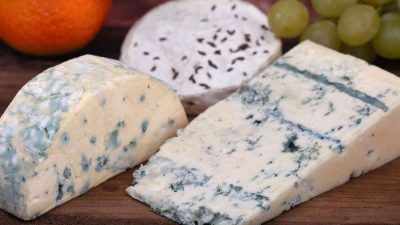
- Soft cheese, such as Brie, Camembert or blue cheese, and unpasteurised milk and cheese made from it can contain Listeria – bacteria causing food poisoning. The infection can become so serious that pregnant women are advised to avoid these products completely.
- Dairy fat and protein may contribute to high cholesterol levels, high blood pressure and heart disease.
- Replacing fatty dairy products with plant foods can greatly reduce your risk of heart disease.
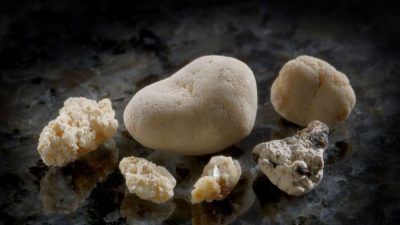
- Consuming dairy products may contribute to kidney stones in vulnerable people. On the other hand, plant foods help to prevent the disease.
Keep reading for detailed information and references!
Milk drinking and lactose intolerance
Not everyone can digest milk because it contains the sugar lactose and most humans lose the ability to digest it during childhood – that’s what nature intended.
Hormones and pus in cow’s milk
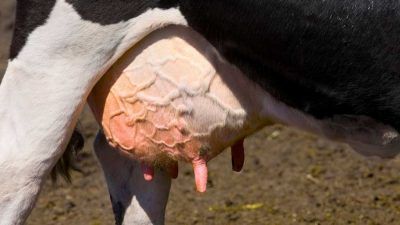
Cow’s milk contains many components, such as hormones and pus cells, that the dairy industry doesn’t advertise because they know it would put people off.

Acne
Your skin is a good indicator of what’s happening in your body. Hormonal changes can contribute to acne a great deal – milk and dairy products affect your hormones and can make you much more prone to acne.

Allergies
Cow’s milk is a common allergen. Avoiding dairy can help improve your health and wellbeing.

Bone health
It’s been drummed into us since we were little – you need milk for healthy bones and to grow up big and strong. The thing is – it’s not true.

Cancer
Milk and dairy products may increase your risk of cancer, in particular prostate, ovarian and breast cancer. Going dairy-free can reduce your risk.

Crohn’s disease
Some milk contains bacteria that may cause Crohn’s disease in genetically susceptible people.
Diabetes
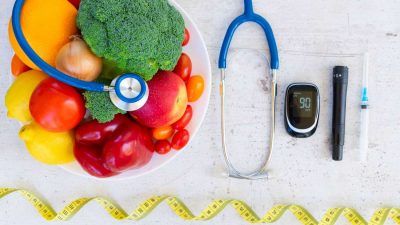
Milk can play a role in type 1 diabetes development, while fatty dairy products can contribute to type 2 diabetes.
Food poisoning
Soft cheeses and unpasteurised milk and cheese made from it can contain Listeria – bacteria causing food poisoning.

Heart disease
Dairy fat and protein may contribute to high cholesterol levels, high blood pressure and heart disease. Replacing dairy with plant foods can reduce your risk of heart disease.
Kidney stones
Consuming dairy products may contribute to kidney stones in vulnerable people. On the other hand, plant foods help to prevent the disease.
Dairy farming and the environment
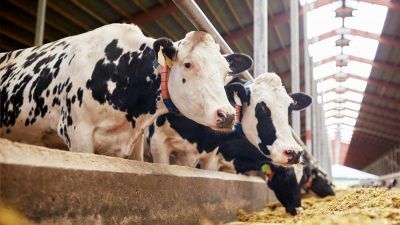
Dairy farming has a negative impact on the environment and is not sustainable.
Going dairy-free is not just a healthy choice, it’s also an ethical and sustainable one. If you’re used to meals based around meat and dairy, the idea of a plant-based diet may be daunting but we’re here to help make it super easy!
Sign up to our daily emails for a week to receive mouth-watering meal plans, nutritional advice and health information.
If you want to try it for a month, sign up to 30 days of delicious vegan recipes, tips and product info… all free!
All about dairy
Find all the above and more in Viva!’s ground-breaking resources:
An eye-opening guide Why You Don’t Need Dairy– presenting information on health, animals and the environment in an easy-to-read format.
A practical guide on how to cut dairy out of your diet and all you need to know to live a healthy and delicious dairy-free life: Everyone’s Going Dairy-Free
If you want to know more about dairy and your health and explore what scientific studies have to say, see the in-depth report White Lies